A useful testimony doesn't need to sound polished. It needs to say what changed, who was helped, and what should happen next. The goal is a story that a board member or potential partner can understand in thirty seconds — and remember after the meeting is over.
What makes a testimony worth using
Good testimonies are specific, short, and connected to something real. The technology is a means — the story is about what the technology made possible for a person or community.
- Specific outcome — not "it was helpful" but "for the first time, the pastor had a Bible in his own language on his phone, saved offline"
- Clear moment — a training session, a film night, a local leader successfully teaching someone else the setup process
- Honest numbers — how many people were trained, how many devices received resources, how many groups were served
- What should happen next — every good story points toward a next step, whether that's more kits, better content, or a new training partner
How to collect and use testimonies
- Ask one clear question
What changed because these resources were available offline? Simple, open, and focused on the ministry outcome — not the technology.
- Get permission before publishing
Confirm whether the name, photo, location, and quote can be shared publicly. Use general location language when specific details could create risk for the person or community.
- Keep it short
Two or three sentences that a board member can understand and repeat. If it takes a paragraph to explain the context, the testimony isn't ready to use yet.
- Tie the story to an access path
Connect the outcome to phone sharing, a local library, a projector teaching session, or field training — so the reader knows which part of the program created the result.
- Protect sensitive places
Use "a remote village in East Africa" instead of specific names or locations when public details could create safety concerns for the people or local leaders involved.
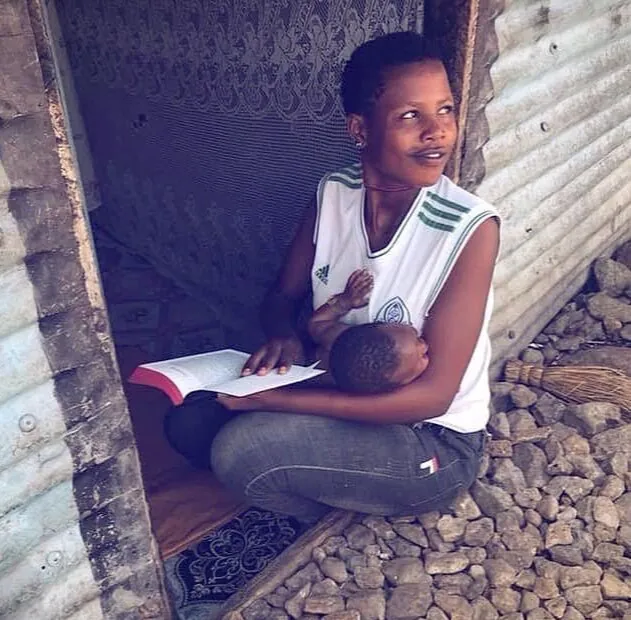
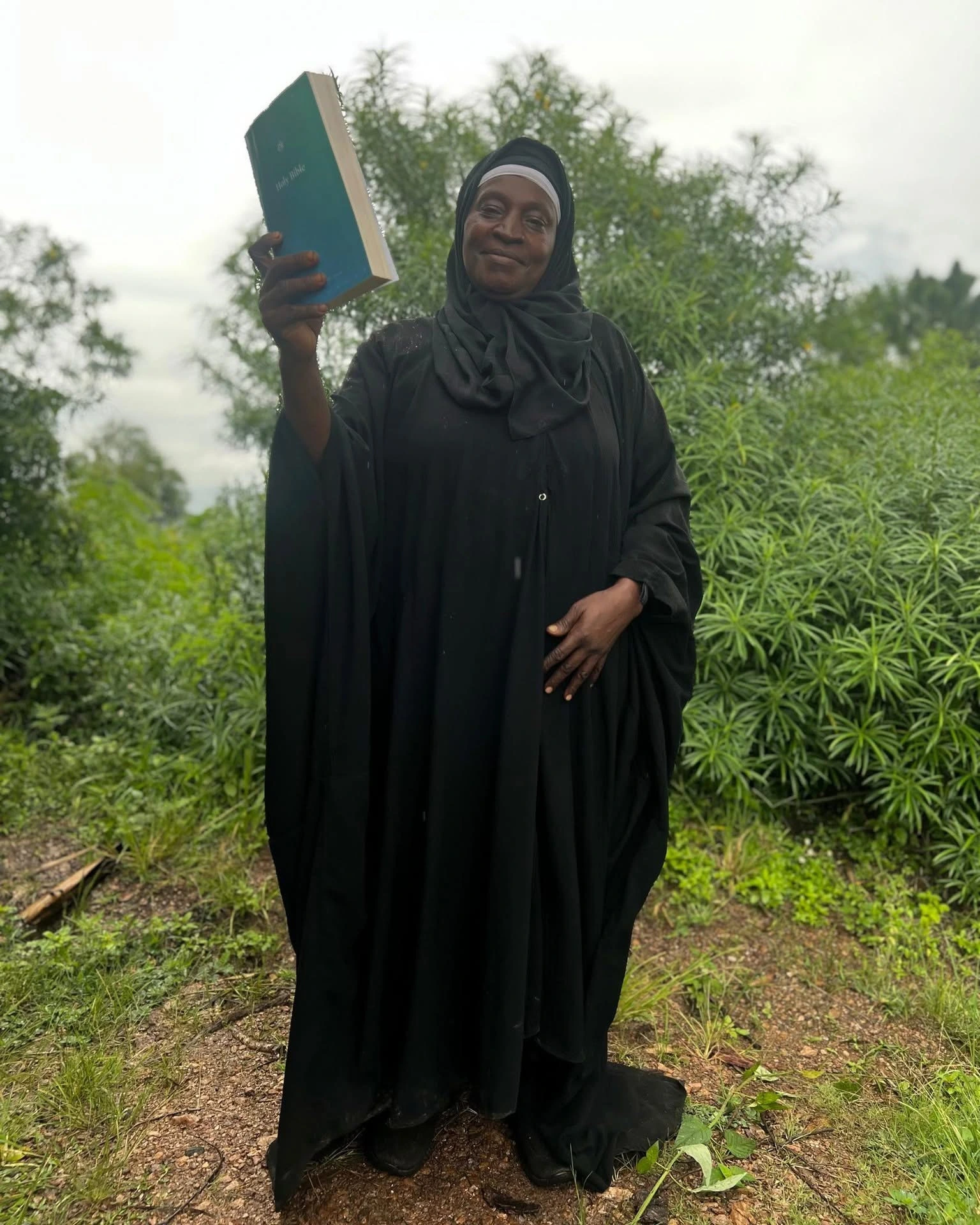
A good photo shows people learning, setting up, or sharing resources — not close-ups of hardware. The story is about the people.
Download the Testimonials guide as a printable PDF for collecting field stories and preparing board presentations.
Download Testimonials PDF